One plant, several starting points
U.S. standards define rum as spirits distilled from fermented sugarcane juice, syrup, molasses or other sugarcane by-products.
Source ↗



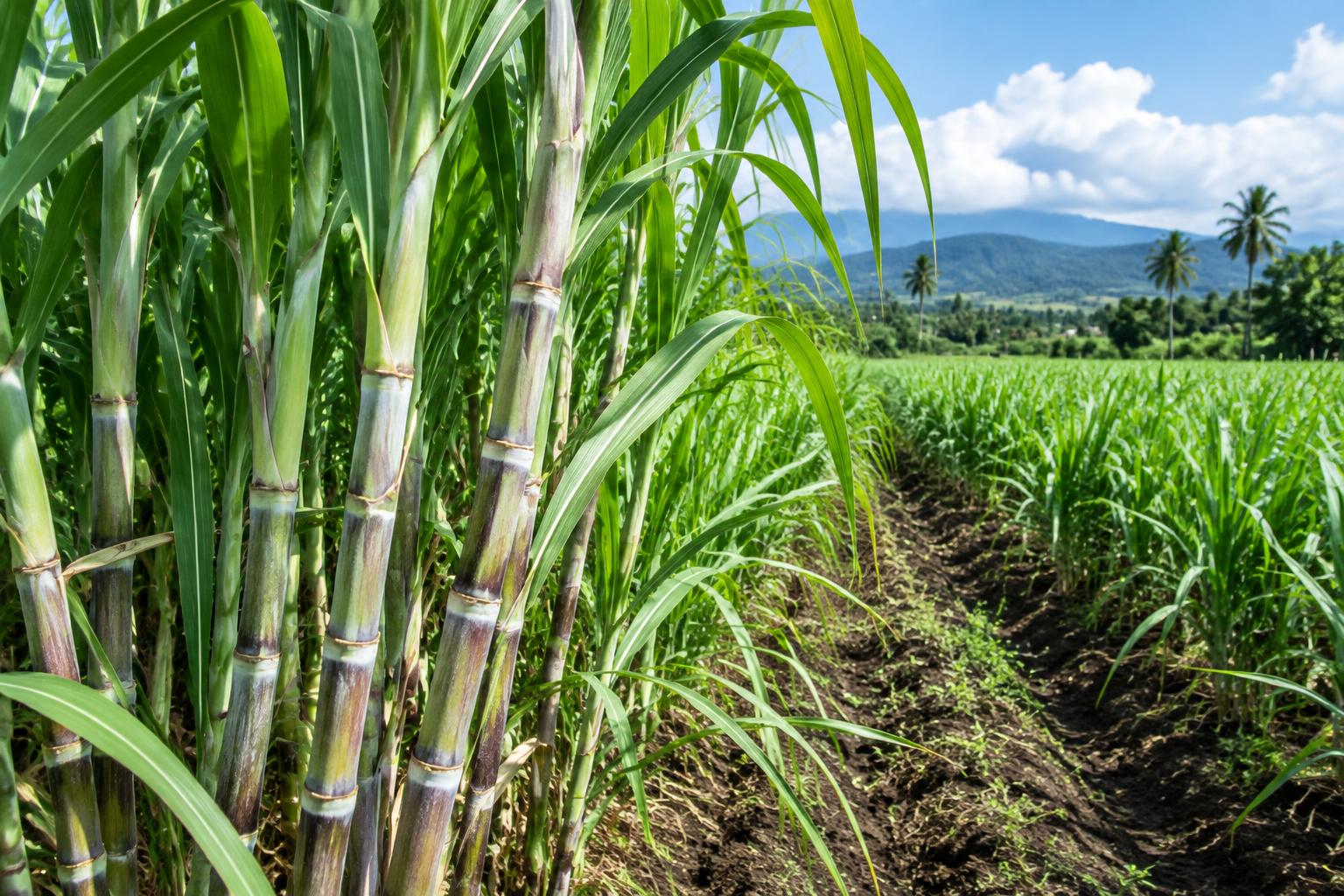
The field behind the still
Before rum is a spirit, sugarcane is a living crop: roots below the soil, buds along the stalk and leaves above it. The journey begins in the field, not in the barrel.
Illustrative crop imagery · Not a GroundWorx customer site
U.S. standards define rum as spirits distilled from fermented sugarcane juice, syrup, molasses or other sugarcane by-products.
Source ↗Sugarcane stalks have nodes and internodes. Buds at the nodes can develop into shoots when cane is planted.
Source ↗Sugarcane develops roots and additional shoots called tillers. Following the crop means observing both what rises above ground and the root-zone context beneath it.
Source ↗General crop stages; timing varies with variety, region and management.
01
Buds on planted cane provide the starting point for new growth.
02
Bud growth produces the primary shoots of the developing plant.
03
Root development and secondary shoots establish the growing stand.
The GX-1 series angle · Placed within the cane row, a GX-1A can build a root-zone history—moisture, temperature and EC—from planting through tillering, giving the grower a measured record beneath the stand.
A root-zone record adds context beneath the crop: soil moisture, temperature and electrical conductivity at the measured location. Growers can consider that history alongside weather, field observations and their own agronomic advice.
These crop features are research context—not demonstrated crop performance, a sensor deployment prescription or a promise of beverage quality or yield.
Discuss a grower pilot