Fruit of the vine
U.S. standards define grape wine as wine produced by the normal alcoholic fermentation of sound, ripe grapes.
Source ↗



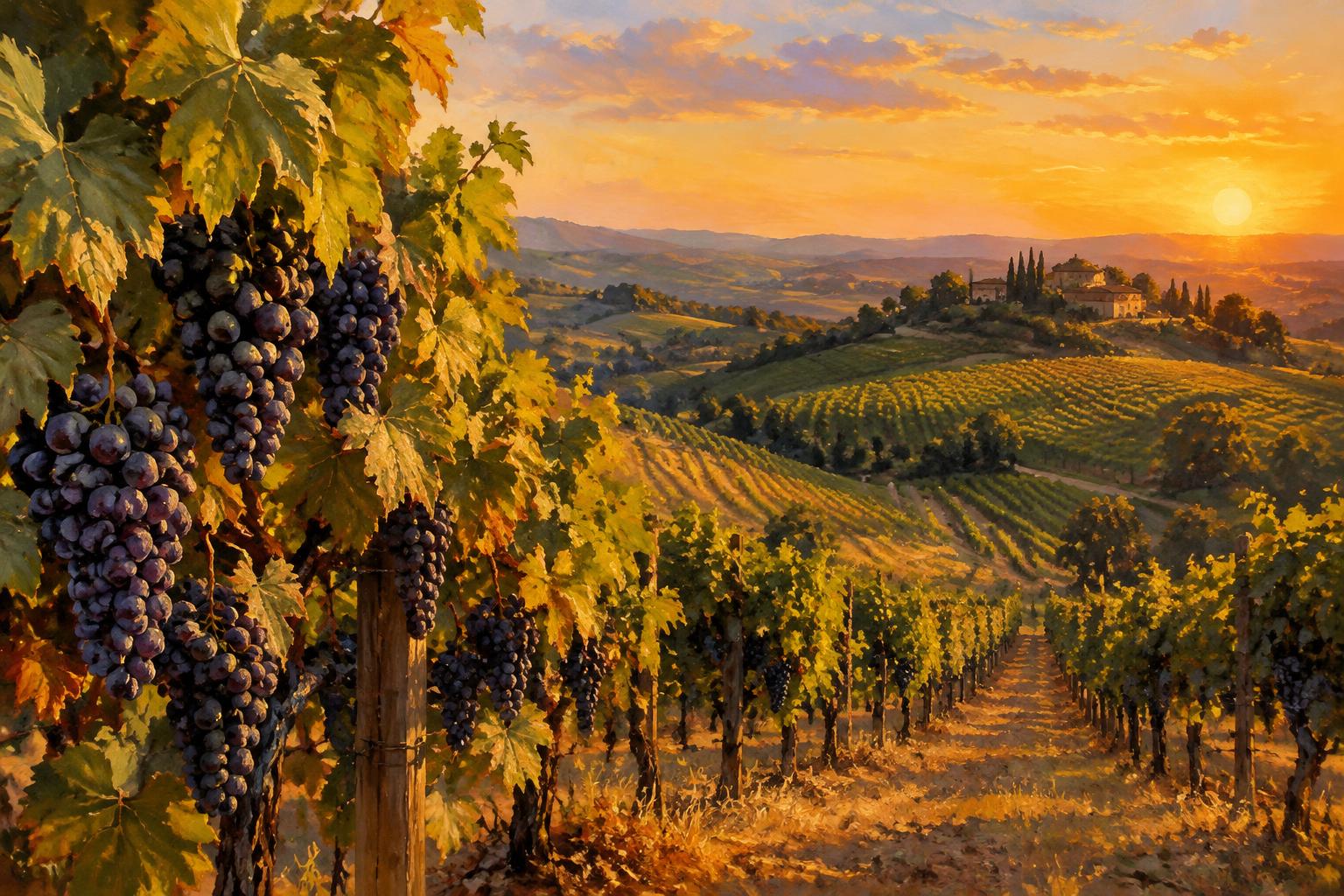
Vitis vinifera · A perennial vine
Wine begins with a vine that stays in the ground for decades. Each vintage is one season layered onto a long-lived trunk and root system.
Illustrative crop imagery · Not a GroundWorx customer site
U.S. standards define grape wine as wine produced by the normal alcoholic fermentation of sound, ripe grapes.
Source ↗Grapevines are perennial; the same vines and root systems are managed season after season.
Source ↗Vineyard management follows the vine through budbreak, bloom, fruit set, veraison and harvest.
Source ↗General crop stages; timing varies with variety, region and management.
01
Dormant buds swell and push new shoots.
02
Flowers open and berries begin to form.
03
Berries soften and change color as ripening begins.
04
Fruit is picked; the vine rests through winter.
The GX-1 series angle · Vineyards often mix models: a buried GX-1F—invisible, with nothing in the way of mowers or harvesters—sits beside the vine, while iQ1 units can cover open rows. Together they build a moisture, temperature and EC history block by block.
A root-zone record adds context beneath the crop: soil moisture, temperature and electrical conductivity at the measured location. Growers can consider that history alongside weather, field observations and their own agronomic advice.
These crop features are research context—not demonstrated crop performance, a sensor deployment prescription or a promise of beverage quality or yield.
Discuss a grower pilot