




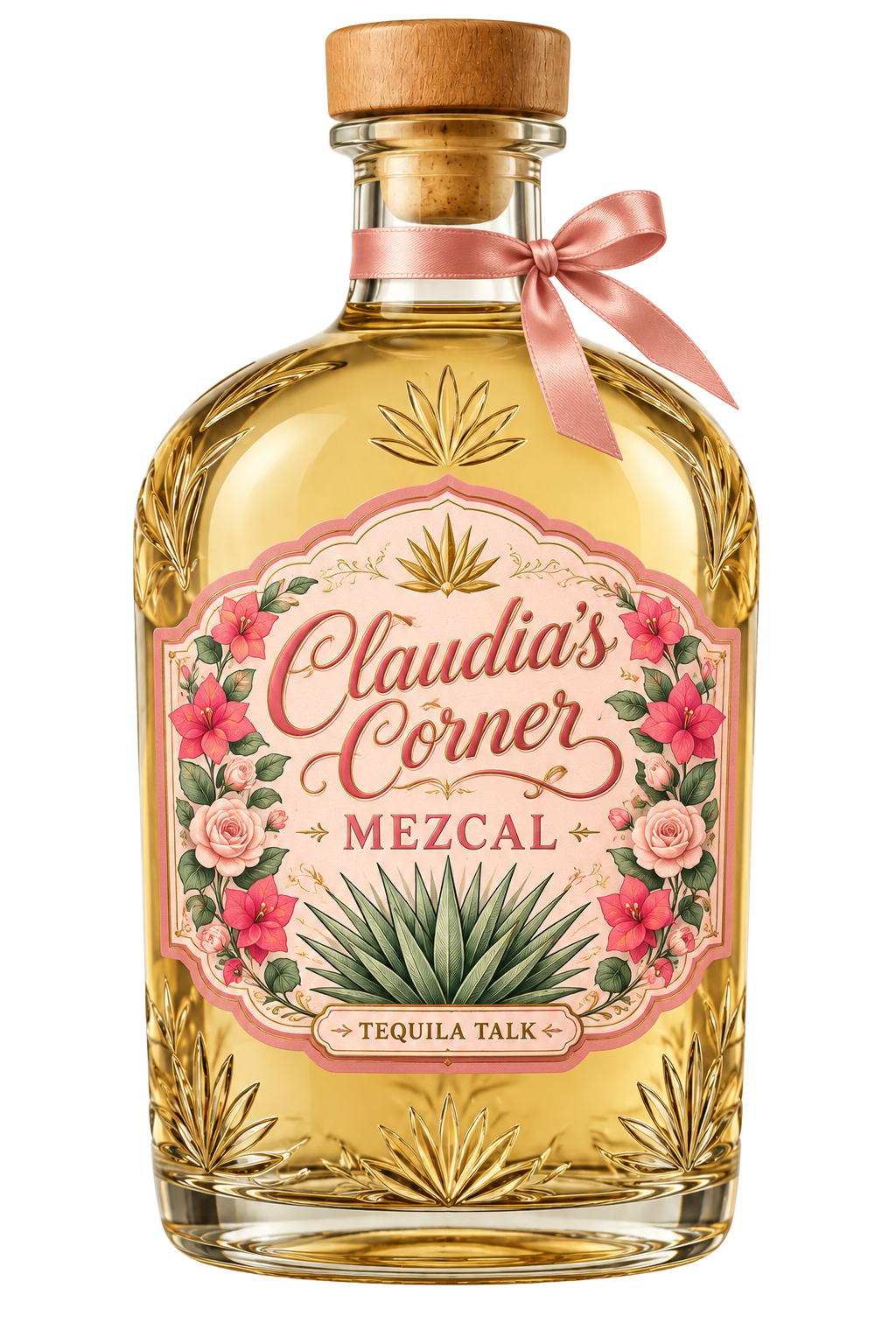
A special mezcal segment
Claudia’s Corner
Diego knows his tequila. His wife Claudia likes mezcal — so we’re making room at the table for another side of agave.
Same remarkable family of plants, different stories in the glass. Claudia’s Corner explores what makes mezcal distinct, from the agave and the ground it grows in to the way it is cooked, distilled and enjoyed.
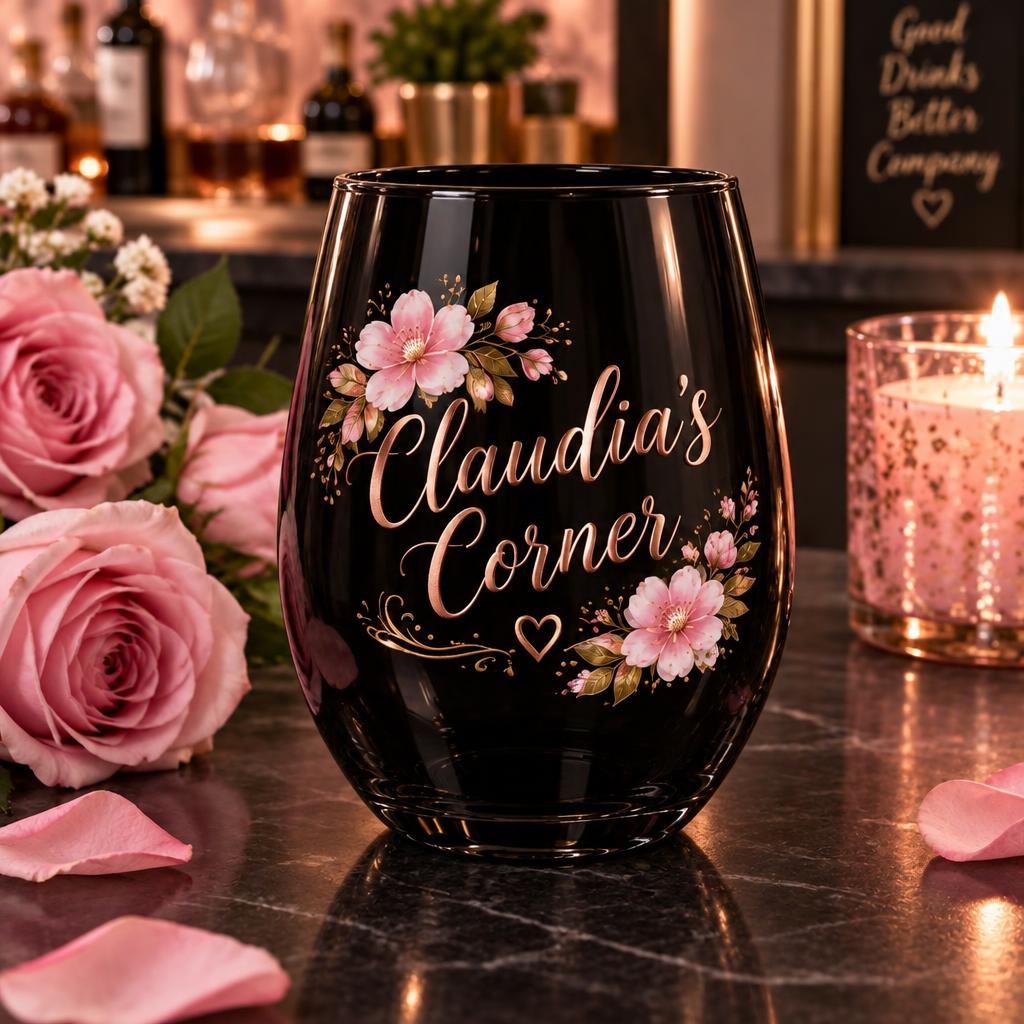
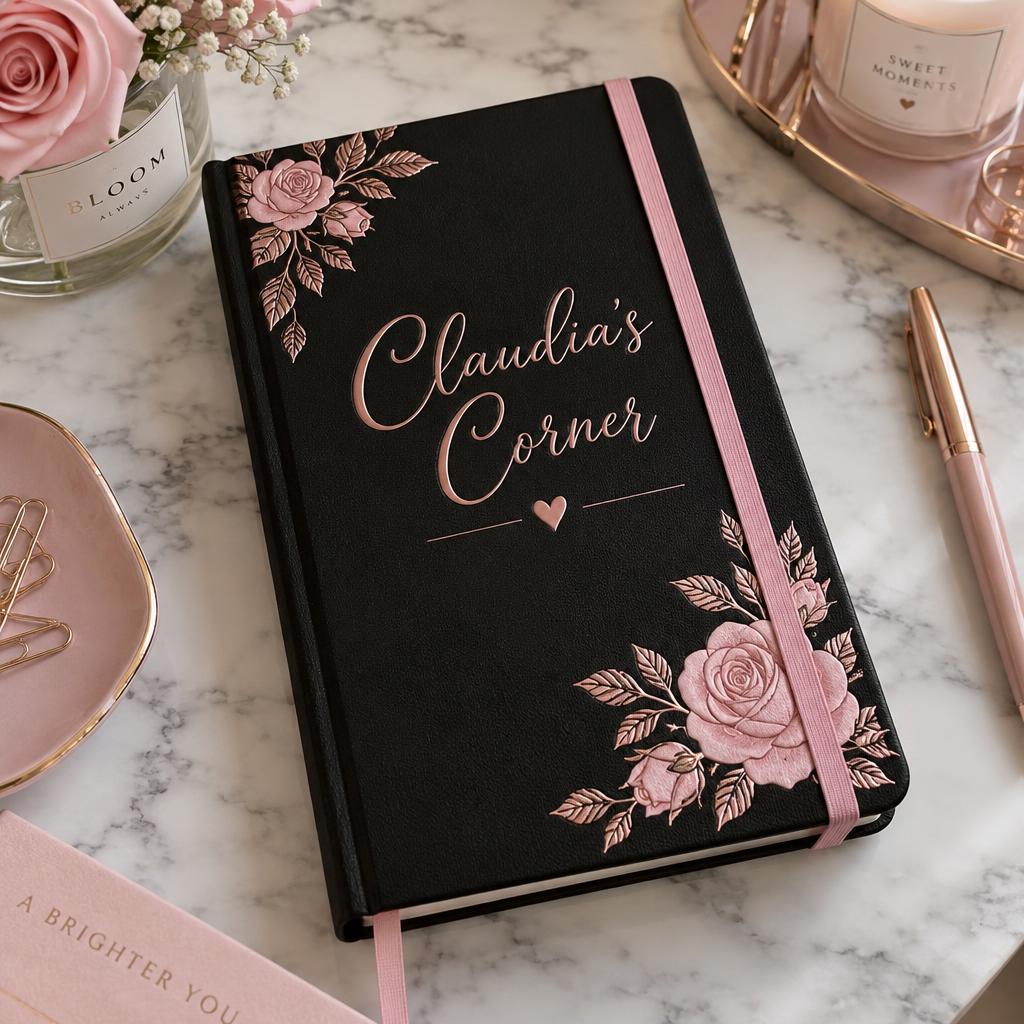
Claudia’s Corner merch
Claudia's own line — black with pink accents, rose gold, flowers and script. Pink, baby blue and lavender colorways are also available. Review pieces only, no store yet.








Mezcal vs. tequila: what’s different?
The plant
Tequila
Blue Weber agave (Agave tequilana Weber var. azul) is the required agave for tequila.
Mezcal
Mezcal can use several agave species. Espadín is a familiar example, but there is a wider world of agave to explore.
The place
Tequila
A protected Mexican origin, covering Jalisco and designated municipalities in Guanajuato, Michoacán, Nayarit and Tamaulipas.
Mezcal
Its own protected Mexican origin. Oaxaca is a well-known heartland, but mezcal is also made in other authorized regions.
The process
Tequila
Agave hearts are commonly cooked with steam in ovens or autoclaves, then their sugars are fermented and distilled.
Mezcal
Methods vary by production category. Many traditional producers roast agave in earthen pits; other permitted ovens and methods exist.
The flavor
Tequila
Cooked-agave, herbal, citrus and pepper notes can appear; aging in wood adds another layer. Each bottle is different.
Mezcal
It can be smoky, earthy, fruity, floral or mineral. Pit roasting can add smoke, but not every mezcal is a smoke bomb.
More than smoke
Smoke is one chapter, not the whole story. Agave species, growing conditions, cooking, fermentation, distillation and aging all shape the result. Neither spirit is automatically better, stronger or healthier than the other.
One agave family. Two protected names.
Historically, “mezcal” was used broadly for Mexican agave spirits. Today, tequila and mezcal have separate protected designations and standards — a tequila bottle is not automatically a certified mezcal.
Three certified categories
The official mezcal standard groups mezcal by how it is made — from modern to the most traditional methods.
Mezcal
The broadest certified category. Cooking can use pits, masonry ovens or autoclaves; distillation can use pot or column stills.
Mezcal Artesanal
Agave cooked in pits or raised masonry ovens, crushed by hand, tahona or mill, and distilled over direct fire in copper or clay pots.
Mezcal Ancestral
The most traditional: pit-roasted agave, crushed by hand or tahona, and distilled over direct fire in clay pots.
Agaves to know
Tequila uses one agave. Mezcal can use many — here are a few names Claudia might pour.
Espadín
Agave angustifolia
The most widely planted mezcal agave — a common first pour.
Tobalá
Agave potatorum
A small, often wild-harvested agave prized for floral, fruity notes.
Tepeztate
Agave marmorata
A wild agave that can take many years to mature.
Cuishe
Agave karwinskii
A tall, trunk-like agave known for green, mineral character.
Arroqueño
Agave americana var. oaxacensis
A large, slow-growing agave with a long, rich profile.
Reading a mezcal label
- Blanco o Joven
- Unaged — the clearest look at the agave.
- Madurado en Vidrio
- Rested in glass for at least 12 months.
- Reposado
- Rested in wood for 2 to 12 months.
- Añejo
- Aged in wood for more than 12 months.
- Abocado con
- Infused with ingredients such as fruit or herbs.
- Destilado con
- Redistilled with ingredients — pechuga is a famous example.
How to sip it
Traditionally, mezcal is sipped neat at room temperature — small sips, letting it open up. In Oaxaca it is often served with orange slices and sal de gusano — salt blended with toasted, ground maguey worms and often dried chile.
Claudia’s pick of the week
Each Claudia’s Corner segment features a mezcal she chooses. Her picks will appear here as episodes are recorded.
Sources: Tequila Regulatory Council · Tequila’s protected origin · Official mezcal standard (NOM-070)
For adults of legal drinking age. Enjoy responsibly.